





Can an off-grid inverter run my entire house during an outage?
- 1. What is an off-grid inverter, and how does it differ from a grid-tied inverter?
- 2. Can an off-grid inverter run my entire house during a power outage?
- 3. How do I determine the appropriate size of an off-grid inverter for my home?
- 4. What are the key features to look for in an off-grid inverter?
- 5. How do I install an off-grid inverter, and what safety precautions should I take?
- 6. What are the maintenance requirements for an off-grid inverter?
- Conclusion
1. What is an off-grid inverter, and how does it differ from a grid-tied inverter?
An off-grid inverter, also known as a stand-alone inverter, is designed for use in power systems that operate independently of the utility grid. These inverters convert direct current (DC) electricity from sources like solar panels or batteries into alternating current (AC) for household appliances. Unlike grid-tied inverters, off-grid inverters do not require anti-islanding protection, as they are not connected to the grid.
2. Can an off-grid inverter run my entire house during a power outage?
While it is technically possible for an off-grid inverter to power an entire house during an outage, several factors influence this capability:
Inverter Capacity: The inverter must have sufficient power output to handle the combined wattage of all appliances.
Battery Storage: Adequate battery storage is essential to supply power during the outage.
Appliance Demand: High-power appliances like air conditioners or electric ovens may exceed the system's capacity.
For a practical demonstration of an off-grid inverter powering a whole house during an outage, you can watch the following video:
(https://www.youtube.com/watch?v=XcCcpag67MM&utm_source=openai)
3. How do I determine the appropriate size of an off-grid inverter for my home?
Selecting the right inverter size involves:
Calculating Total Wattage: Sum the wattage of all appliances you intend to run simultaneously.
Considering Surge Capacity: Account for appliances with high startup power requirements, such as refrigerators or air conditioners.
Matching Battery Voltage: Ensure the inverter's voltage is compatible with your battery bank (e.g., 12V, 24V, or 48V).
4. What are the key features to look for in an off-grid inverter?
When evaluating off-grid inverters, consider:
Built-in Charge Controller: Inverters with integrated charge controllers simplify system design and reduce wiring complexity.
Surge Capacity: Ensure the inverter can handle short-term overloads without tripping.
System Monitoring: Features like built-in displays or remote monitoring capabilities allow you to track system performance and battery status.
5. How do I install an off-grid inverter, and what safety precautions should I take?
Installing an off-grid inverter requires:
Proper Wiring: Use appropriately rated cables and connectors to handle the system's voltage and current.
Ventilation: Ensure the inverter is installed in a well-ventilated area to prevent overheating.
Grounding: Properly ground the system to prevent electrical hazards.
Transfer Switch: Install a transfer switch to safely switch between grid and battery power during outages.
For a visual guide on powering your house with an inverter during a power outage, you can refer to the following video:
(https://www.youtube.com/watch?v=A-OfcgU_7Fs&utm_source=openai)
6. What are the maintenance requirements for an off-grid inverter?
Regular maintenance includes:
Cleaning: Periodically clean the inverter's vents and surroundings to ensure proper airflow.
Inspection: Check for signs of wear, corrosion, or damage.
Software Updates: If applicable, update the inverter's firmware to ensure optimal performance.
Battery Maintenance: Regularly check battery voltage and health to ensure reliable operation.
Conclusion
Off-grid inverters are essential components for homes seeking energy independence or reliable backup power during outages. By understanding their capabilities, sizing requirements, and installation considerations, you can make informed decisions to meet your energy needs effectively.
For personalized assistance and a detailed quote tailored to your specific requirements, please contact us at info@csinverter.com or visit our website at www.csinverter.com.


Pure Sine Wave Inverters
Is the remote control standard?
It’s optional and available upon request.
Can it run inductive loads like fridges or tools?
Yes, pure sine wave output supports all load types.
Modified Sine Wave Inverters
Does it support inductive loads?
Modified sine wave inverters are suitable for resistive loads; for inductive loads, pure sine wave models are recommended.
Can I customize the color and logo?
Yes, OEM/ODM customization is supported.
Distributor
Do I need to carry inventory?
We offer flexible inventory options based on your market needs, and we can assist with supply chain management.
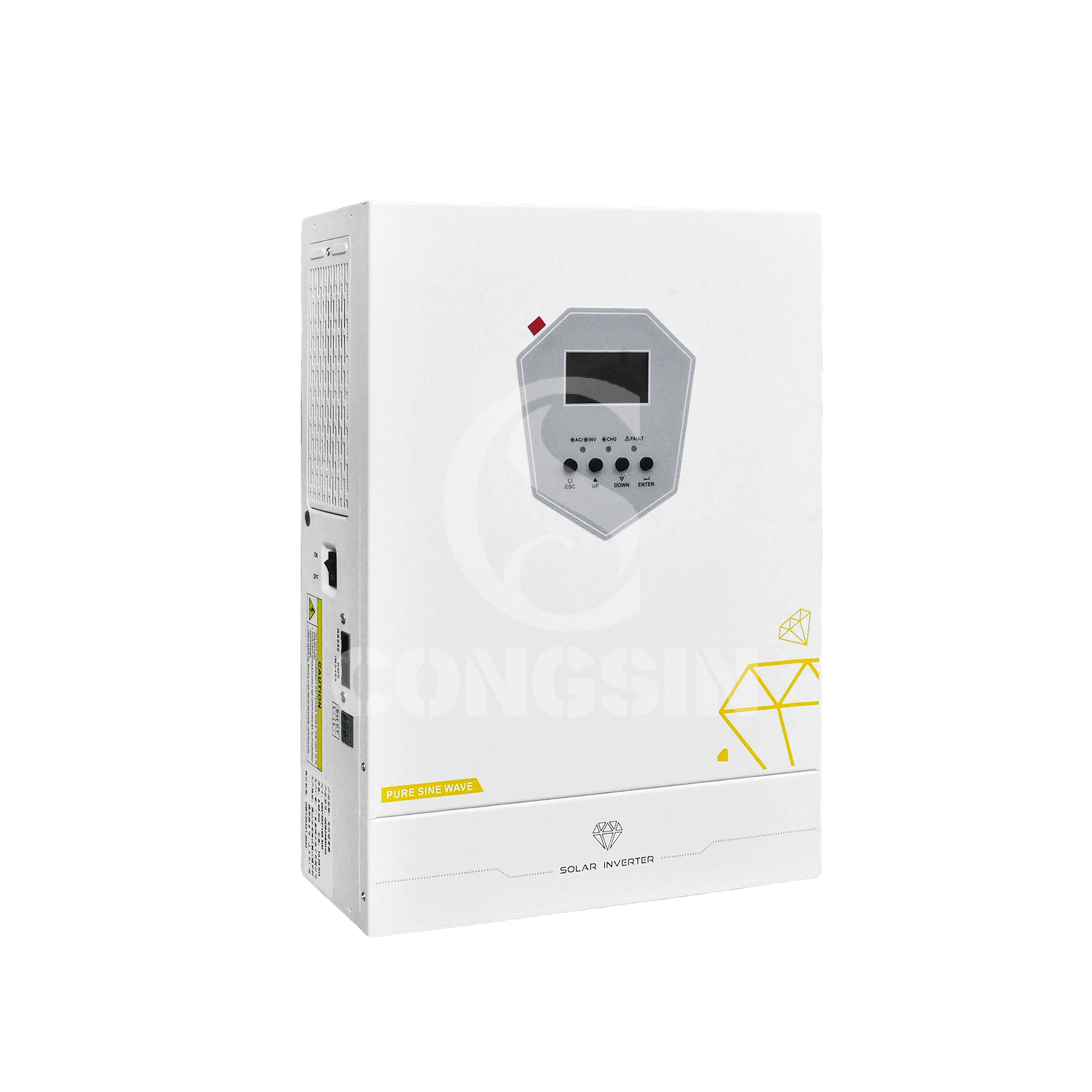
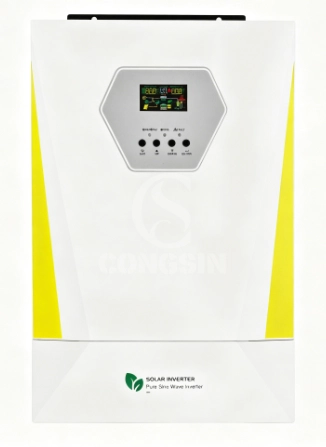
Power your solar system efficiently with the Congsin 4000W and 6000W Hybrid Inverter. Featuring an integrated MPPT Controller, this CE Certified inverter ensures optimal energy conversion. Monitor performance effortlessly via the intuitive LCD Display. Reliable, powerful, and ready for your sustainable energy needs.
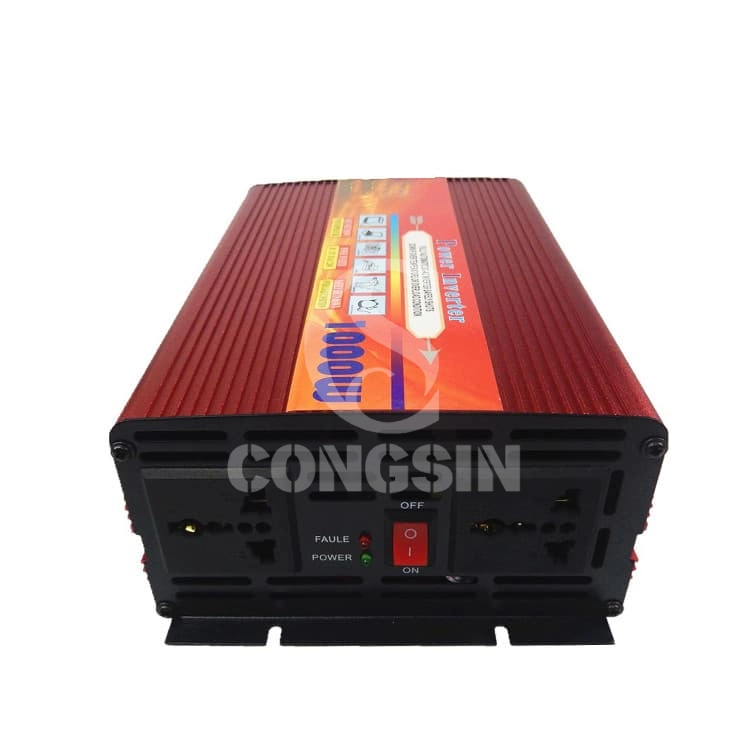
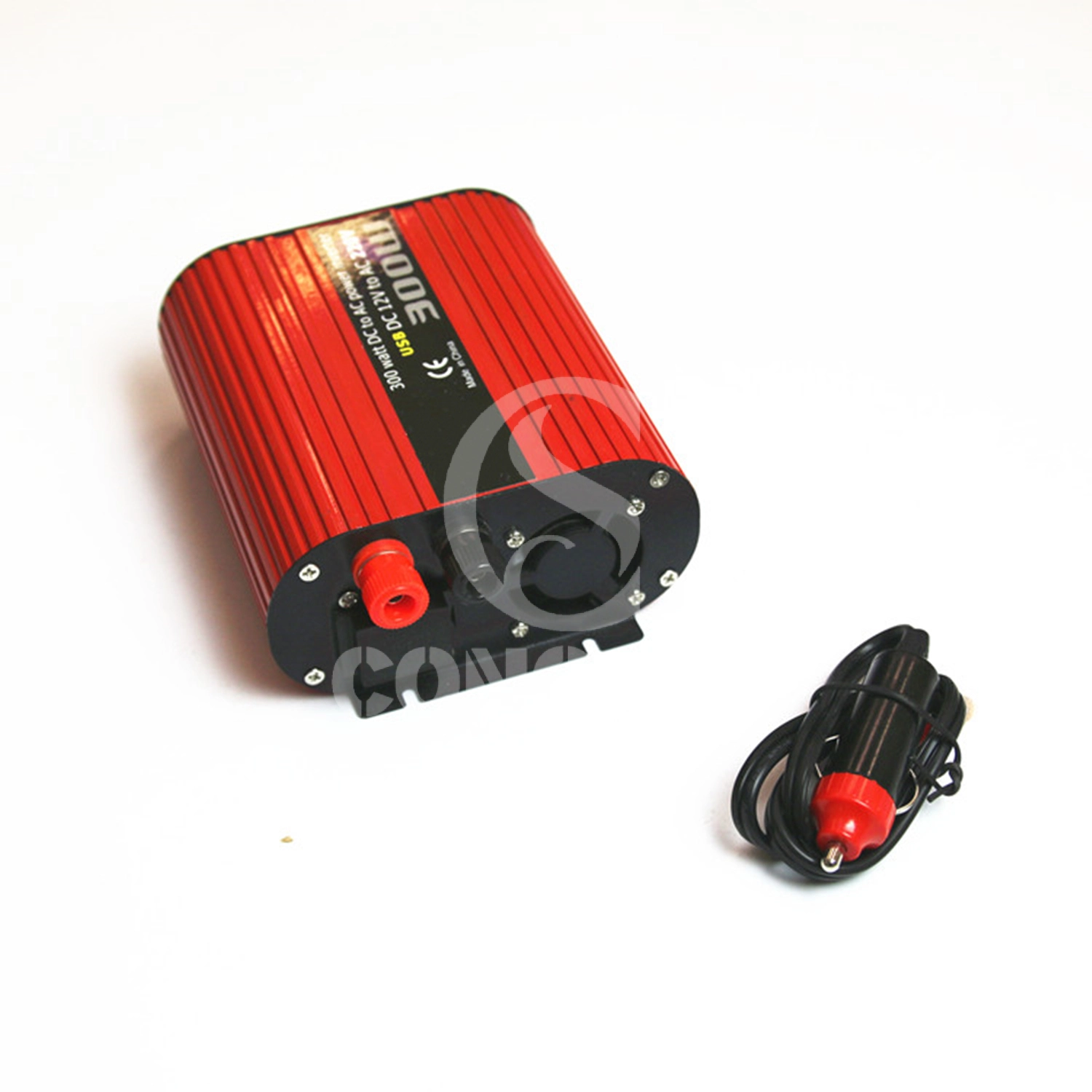
Congsin's Portable 150W Modified Sine Wave Inverter powers your journey! This versatile Car Power Inverter with USB acts as a reliable 12V to 220V converter, ensuring an essential off-grid power supply. With dual USB ports and a universal socket, enjoy convenient power on the go.
Get in Touch with Our Team
You can also communicate with us directly through our online contact form. Please fill in the following information, and our team will contact you as soon as possible after receiving your message.

CONGSIN is a trusted OEM factory for power inverters, solar charge controllers, and DC converters. Reliable solutions for global B2B buyers.
 High Quality
 7/24 Service
 Guaranteed Warranty
© 2025 Congsin. All Rights Reserved.
 WeChat
 Scan QR Code
sin cong
teaimei10
Whatsapp: +8618028086791
Scan QR Code